Yarddy guide
Local Sale Safety and Address Privacy
Share enough information to coordinate a real transaction without exposing more personal information than the transaction requires.
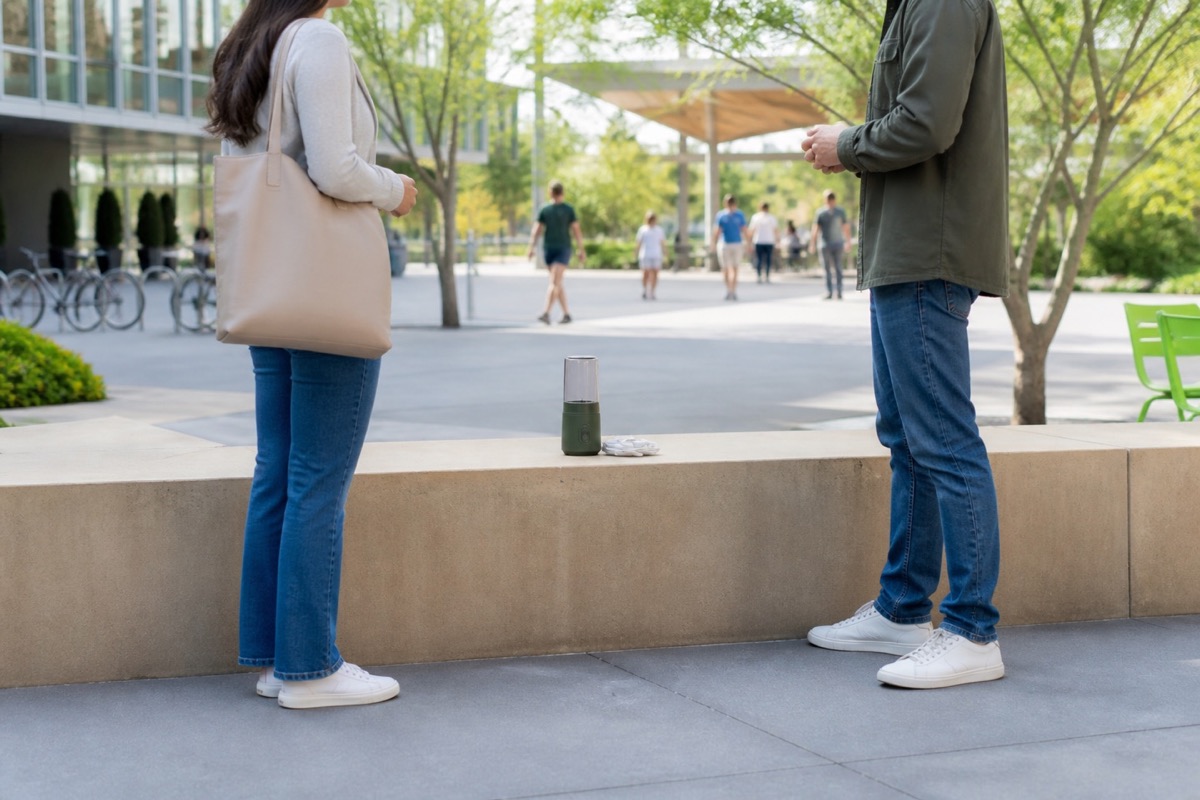
Separate discovery from arrival details
A buyer usually needs a city or neighborhood to decide whether a listing is relevant. They do not always need a house number at the beginning of that decision. For a public sale, reveal the precise location only when it is necessary for attendance. For a single-item exchange, a public meeting point may be more appropriate than a home address.
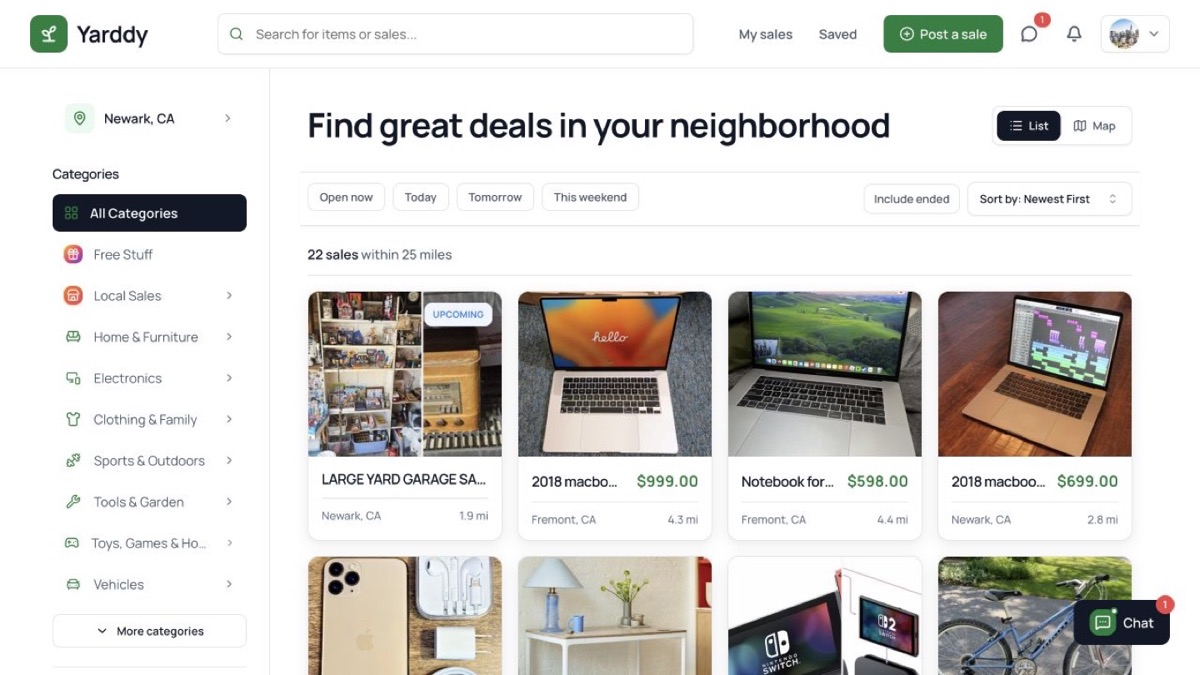
Yarddy is designed to show a general area publicly and support a more deliberate address or meeting-point step. Sellers should still review every listing and photo because text, landmarks, signs, and image backgrounds can reveal location information unintentionally.
Keep communication inside a traceable channel
Use the platform conversation to ask whether an item is available, confirm timing, and clarify pickup requirements. Be cautious when someone immediately asks to move to an unrelated messaging service, requests verification codes, sends unexpected links, or pressures you to act before you can review the details.
Never share an account password, one-time code, bank login, government identifier, or card number in chat. A legitimate buyer does not need those details to attend a sale or buy a used item.
Choose a meeting setup that matches the item
Small items can often be exchanged in a well-lit public place during active hours. Large furniture may require home pickup, but the seller can schedule a specific window, move the item near an accessible exit when safe, and avoid giving a visitor access to private rooms. Tell another person about the appointment and avoid meeting alone when the situation feels uncertain.
For an open yard sale, secure doors and areas that are not part of the event. Keep personal devices, documents, medication, keys, and small valuables out of the shopping area.
Verify payment in the real account
Cash and digital payments each have risks. Count cash before the buyer leaves. For digital payment, confirm the transaction inside the official payment application or financial account. Do not rely on a screenshot, an email claiming that payment is pending, or a request to refund an accidental overpayment before the original funds are verified.
Do not accept a check or complicated shipping arrangement merely because a buyer offers more than the asking price. Unusual overpayment and refund stories are common warning signs.
Pause when the behavior matters more than the deal
End the conversation if a person is threatening, repeatedly ignores boundaries, requests prohibited information, or makes the transaction unnecessarily complicated. Save relevant messages, block or report the account through the available tools, and contact local authorities when there is an immediate safety concern. No sale is worth overriding a reasonable safety concern.
Practical example
Sharing an arrival point only when needed
A seller publishes Newark, CA and a nearby neighborhood, answers a buyer through Yarddy, confirms the item is still available, and then shares the specific pickup instructions for the agreed window instead of placing a home address in public copy.
Result: The buyer receives enough information to arrive while the seller avoids unnecessary public exposure.
Quick-reference table
| Stage | Share | Keep private |
|---|---|---|
| Public listing | City, nearby area, photos, schedule | Exact home address and access details |
| Before agreement | Availability and pickup constraints | Unneeded personal contact details |
| Confirmed visit | Precise meeting instructions | Passwords, codes, financial credentials |
Practical checklist
- Show only the general area until a precise location is needed.
- Check photos and descriptions for accidental private information.
- Keep coordination in the platform conversation.
- Use a public meeting place for portable items when appropriate.
- Restrict visitors from private areas during home pickup or a public sale.
- Verify payment in the official account, not from a screenshot.
- Block, report, or stop when behavior feels unsafe.
Frequently asked questions
Should a seller publish a home address in the listing?
No. Public discovery can use a city or nearby area. Share the precise arrival or meetup point only when it is needed for a legitimate visit.
What should I do when a buyer asks to move the conversation immediately?
Keep early coordination in the platform, avoid sharing unnecessary personal information, and stop if payment, identity, or urgency behavior feels inconsistent with the transaction.
Browse with public-area privacy
Yarddy lets shoppers compare Local Sales before exact arrival details are needed.