Yarddy guide
How to Price Used Furniture and Electronics for a Local Sale
A useful price is not a percentage copied from retail; it reflects what the buyer receives, what must be verified, and how difficult the local handoff will be.
Build the price from evidence
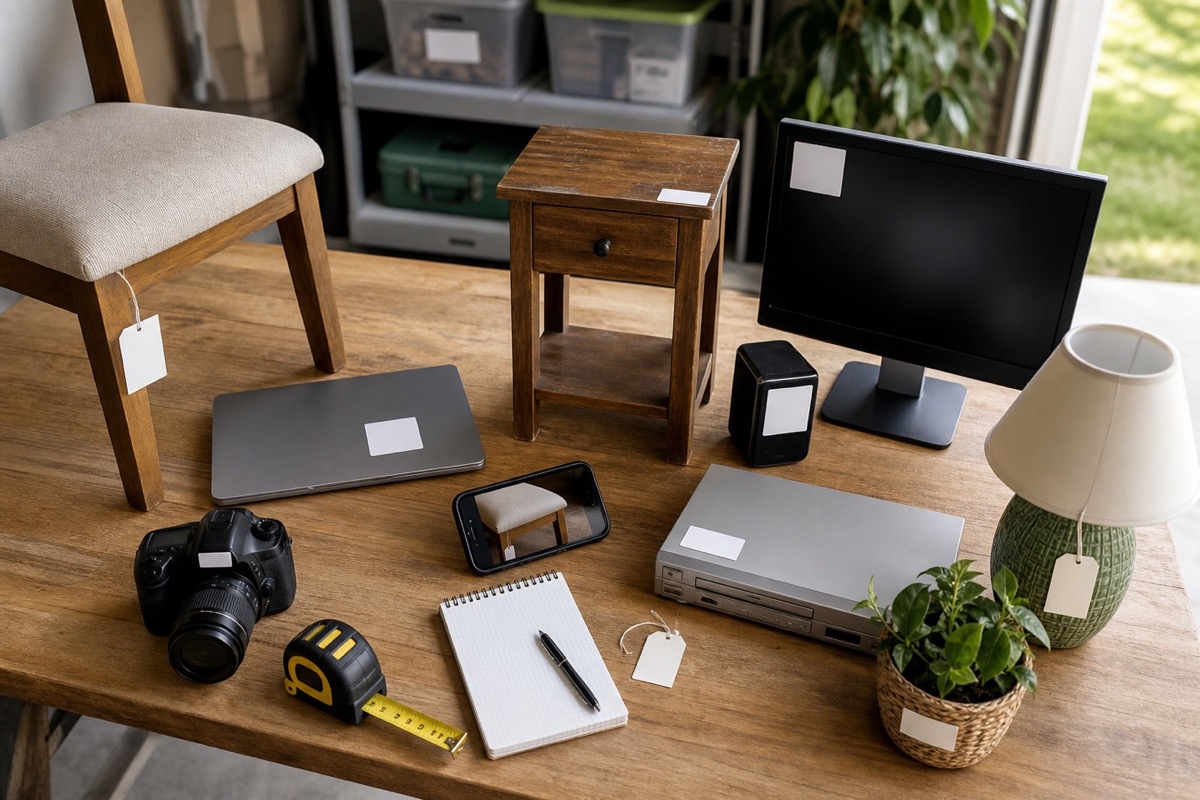
Start with comparable used items in your local area, then adjust for actual condition, completeness, age, demand, and pickup difficulty. The original retail price is context, not proof of current value. A complete tested monitor with its stand and cable is different from the same model sold untested without accessories.
Write down an asking price, a planned reduction point, and the lowest acceptable price before messages begin. That prevents urgency, flattery, or a long negotiation from changing the decision in the moment.
| Factor | Supports a higher price | Supports a lower price |
|---|---|---|
| Condition | Clean, tested, documented | Wear, odor, damage, uncertain operation |
| Completeness | Manuals, cables, hardware, matching pieces | Missing parts or proprietary accessories |
| Pickup effort | Easy access and flexible window | Stairs, disassembly, special vehicle, narrow deadline |
| Demand | Current local interest and scarce comparable supply | Many similar listings or seasonal mismatch |
| Evidence | Model, dimensions, photos, test result | Generic title and unverifiable claims |
Price furniture for fit and removal
For furniture, buyers need dimensions, material, stability, surface condition, odor or smoke exposure, and the path out of the building. Photograph corners, legs, drawer operation, upholstery, and any repaired area. A buyer may value a clean solid-wood dresser but still discount it when pickup requires two people and several flights of stairs.
Bundle only when the pieces belong together. A matching set can justify one price; unrelated chairs and a lamp often perform better as separate featured items inside a Local Sale.
Price electronics for verified function
Record the exact model, storage or capacity, included accessories, battery or screen condition when relevant, and what you personally tested. Remove personal accounts and data before handoff. Do not describe an item as refurbished unless qualified work was actually performed.
If the device cannot be tested, say so and price the uncertainty. “Powers on; HDMI input tested” is more useful than “works great,” while “untested” should never be hidden behind a confident title.
- Use the model number, not only the product family.
- Photograph the device powered on without exposing private data.
- List every included cable, controller, charger, or mount.
- Confirm account locks and activation locks are removed.
Reprice from signals, not impatience
Many views with no useful messages can indicate a price, condition, or pickup mismatch. Few views may indicate a weak lead photo or title instead. Improve the evidence before reducing the number. When the deadline matters, make one clear reduction and update the listing rather than creating a duplicate post.
Practical example
Pricing a tested monitor and a bulky sofa
The monitor includes a model number, a photo showing it powered on, and known accessories, so the seller compares current local examples. The sofa is clean but requires stairs and a truck, so the seller prices below similar easy-pickup listings.
Result: The two prices reflect evidence and fulfillment friction rather than using the same percentage-off-retail shortcut.
Practical checklist
- Compare genuinely similar local items.
- Document condition, completeness, and testing.
- Include dimensions and pickup constraints for furniture.
- Remove personal data and account locks from electronics.
- Set an asking price, reduction point, and floor.
- Improve weak evidence before automatically lowering price.
- Edit the current listing instead of duplicating it.
Frequently asked questions
What affects used furniture pricing most?
Condition, dimensions, material, brand evidence, cleanliness, transport difficulty, local demand, and how quickly the seller needs the item removed all matter.
How should electronics be tested before listing?
Verify the core functions you can safely test, photograph identifying details without exposing personal data, disclose missing accessories, and avoid claims you cannot support.
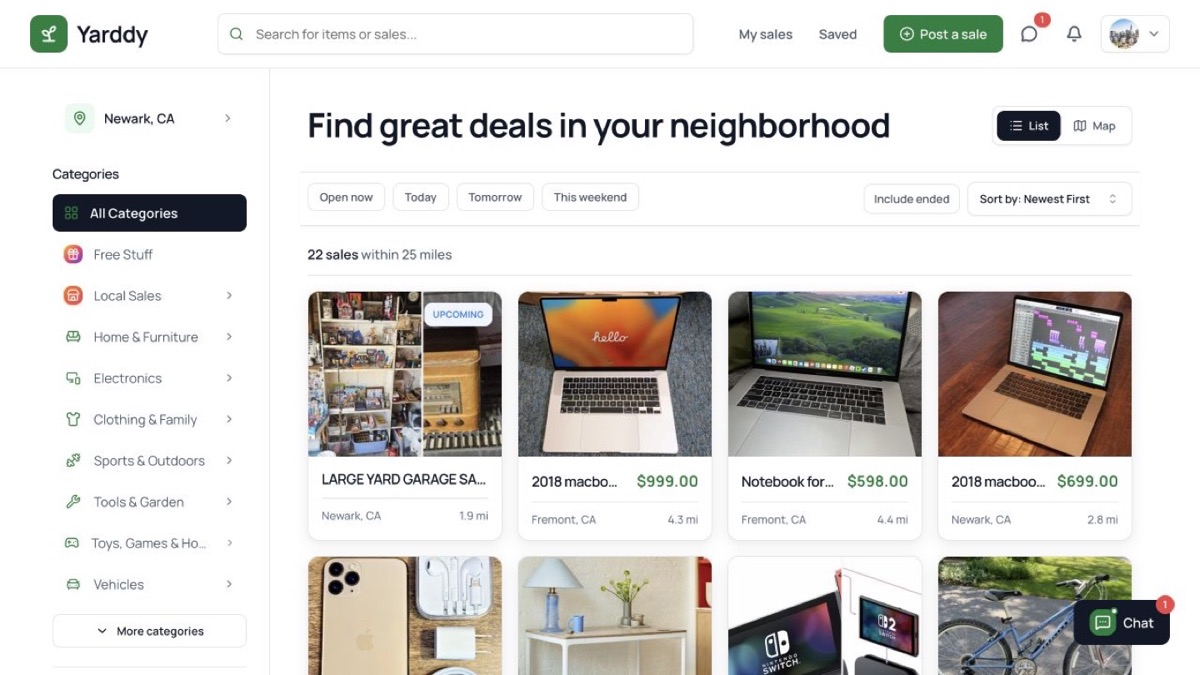
Compare current furniture listings
Use active local examples to evaluate condition language, pickup friction, and realistic price presentation.