Yarddy guide
How to Write a Yard Sale Listing People Can Trust
A trustworthy listing is specific enough to support a decision and short enough to scan on a phone.

Write for the decision a buyer is making
A local buyer is deciding whether to spend time traveling, whether the sale is likely to have relevant items, and whether the seller appears reliable. The listing should reduce that uncertainty. It does not need promotional language; it needs concrete information.
For a local sale, lead with the sale type and the strongest item groups. For a single item, lead with the recognizable item name, important model or size information, and its actual condition.
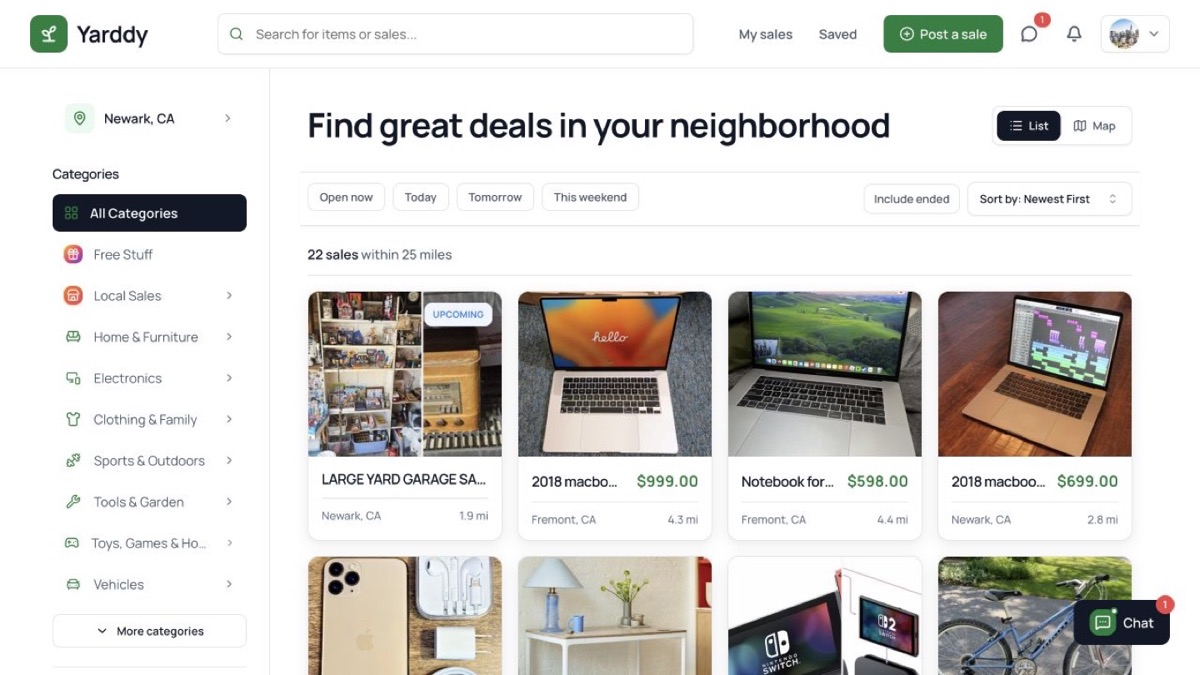
Use a title that describes the inventory
Titles such as “Huge sale,” “Everything must go,” or “Great deals” say little because almost every seller could use them. A better title identifies what makes this sale different: “Moving sale with solid-wood furniture and garage tools” or “Multi-family yard sale with kids' clothing, bikes, and kitchenware.”
Avoid typing the title in all capitals, repeating punctuation, or adding unrelated search terms. Those patterns make the page harder to scan and can make a legitimate sale resemble spam.
Describe the sale in useful layers
Start with one sentence describing why the sale may be relevant. Follow with a short list of standout categories or featured items. End with practical notes such as payment preferences, stairs, parking limitations, whether large items require help to move, or whether the seller will update the listing as items sell.
Do not promise inventory you cannot confirm. If a highlighted item sells before the event, update or remove it. Accurate updates build more trust than an exaggerated description that attracts disappointed visitors.
- Name three to eight real categories or standout items.
- State condition honestly when it affects the decision.
- Include dimensions for furniture and model details for electronics.
- Explain pickup or meeting expectations without publishing unnecessary private information.
Use photos as evidence, not decoration
The first photo should communicate the main subject at a glance. For a local sale, show an organized overview and then several closer views of standout areas. For a single item, show the full item, important details, labels or model numbers when safe, and visible flaws.
Photograph in natural light when possible. Remove private mail, family photos, access codes, house numbers, faces, and license plates from the frame. Do not use a manufacturer's photo as the only image because it does not prove the condition of the item being offered.
Let AI draft, but make the seller responsible for accuracy
Yarddy can use photos to suggest a title, category, description, and tags. Treat those results as a starting point. Check the item type, brand, condition, dimensions, dates, and meeting information before publishing. Automated suggestions should never invent a feature, model, material, or condition that the seller has not verified.
Practical example
Turning a vague post into a useful listing
Instead of writing “Lots of stuff Saturday,” a seller states “Garage sale Saturday, 9 AM–2 PM,” names furniture, tools, and kids' items, adds representative photos, and explains that payment is cash or Venmo with driveway pickup for large pieces.
Result: A shopper can judge timing, inventory fit, and pickup constraints without starting a basic-information conversation.
Quick-reference table
| Element | Question answered | Example |
|---|---|---|
| Title | What is this? | Garage sale with tools and furniture |
| Schedule | When can I go? | Saturday, 9 AM–2 PM |
| Description | Is the trip worthwhile? | Inventory mix, condition, payment, pickup |
Practical checklist
- Use a descriptive title rather than generic promotional language.
- Name the actual categories or items buyers will find.
- Add practical pickup, payment, parking, or accessibility notes.
- Use multiple original photos and show visible flaws.
- Remove private information from every image.
- Review AI suggestions before publishing.
- Update the listing when key items or plans change.
Frequently asked questions
How long should a yard sale description be?
Use enough detail to explain the inventory mix, condition, schedule, payment, and pickup constraints without turning the description into a complete catalog.
Can AI write the listing for me?
AI can draft a title, category, tags, and description from photos, but the seller should review every claim and correct anything inaccurate before publishing.
Review useful Local Sale examples
See how current sellers combine photos, schedules, and concise inventory details.